October 9, 2026
Young children are naturally curious about the world around them. They learn by touching, moving, building, observing, asking questions, and experimenting with the things they encounter every day. For this reason, hands-on learning can be especially effective in preschool, where children are developing foundational skills through active experiences rather than simply listening to explanations. Activities such as sorting objects, creating art, exploring nature, building structures, and participating in pretend play can turn abstract ideas into experiences children can understand.
Hands-on learning also gives young learners opportunities to make choices, solve simple problems, and discover how things work. Instead of expecting children to absorb information passively, this approach encourages them to participate in the learning process. According to Today's Parent, some children may begin preschool at about two and a half years old, while others may not start until they are four. Readiness varies according to each child's individual development rather than being determined by age alone.
In this article, we will explore how hands-on learning supports development, builds confidence, encourages curiosity, and prepares young children for future educational experiences.
Builds Understanding Through Experience
Children often understand new concepts more easily when they can experience them firsthand. For example, learning about shapes can involve sorting blocks, creating pictures from geometric pieces, or finding different shapes around the classroom. Rather than simply memorizing names, children can see, touch, compare, and manipulate the objects.
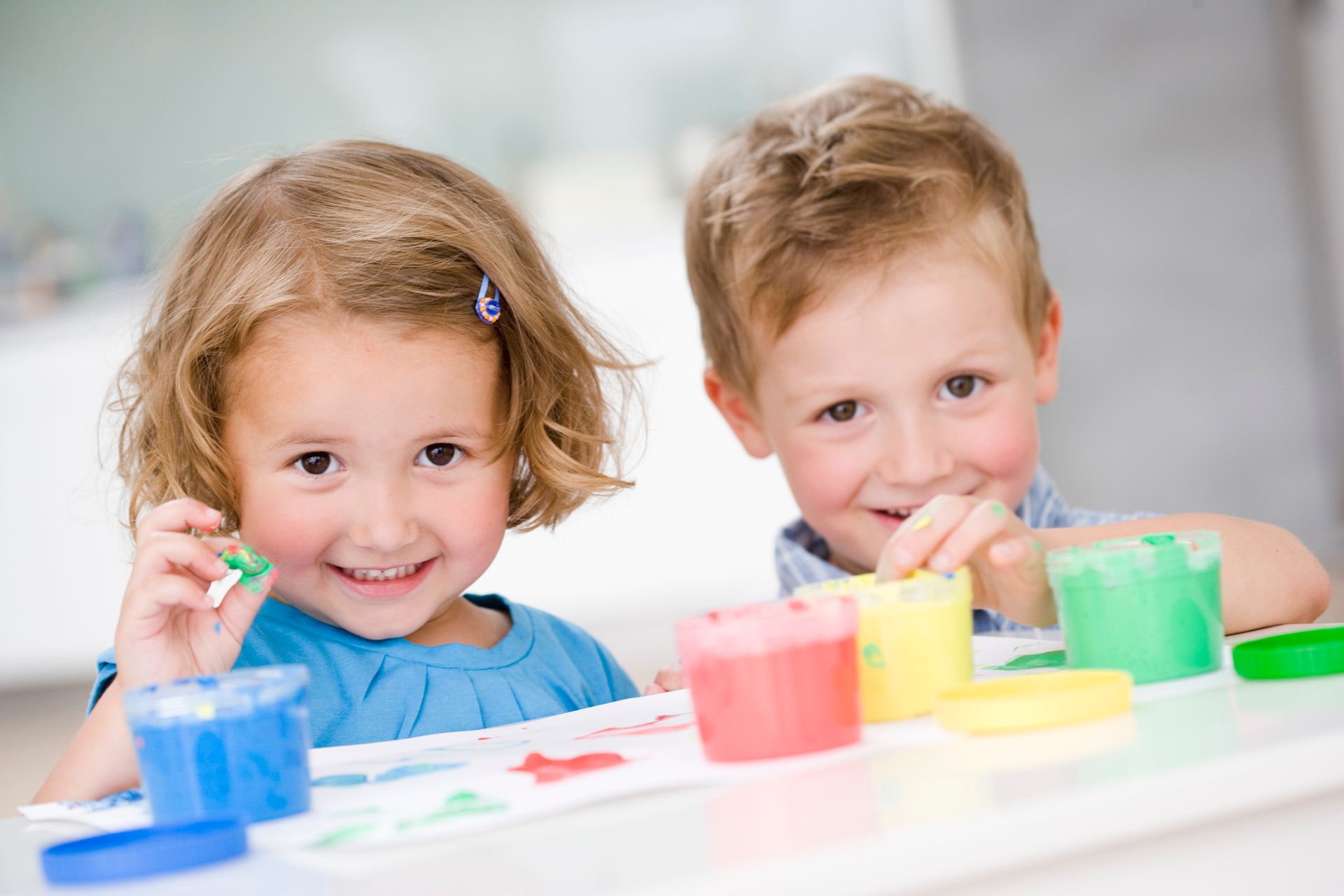
This type of activity can make learning more meaningful because children have a direct connection to the concept being introduced. A lesson about counting becomes more tangible when children count buttons, blocks, toy animals, or pieces of fruit. Similarly, learning about colors can involve mixing paint or sorting objects into different groups.
These experiences allow children to connect new information with something they have actually done. Over time, those connections can help create a stronger foundation for academic learning.
Encourages Natural Curiosity
Young children frequently ask questions because they want to understand how the world works. Hands-on activities give them opportunities to explore those questions instead of simply receiving predetermined answers.
A classroom experiment involving water, for example, might allow children to discover which objects float and which sink. Teachers can encourage children to make predictions before testing their ideas. When the results are different from what a child expected, that creates another opportunity to ask questions and investigate.
This process helps children see learning as something they actively participate in. Curiosity becomes part of the experience rather than something that needs to be prompted. Children can learn that it is acceptable to wonder, make predictions, make mistakes, and try again.
Strengthens Problem-Solving Skills
Hands-on learning naturally creates situations where children need to figure something out. A tower may fall when it becomes too tall. A puzzle may not fit together as expected. A craft project may require children to decide how to attach different materials.
Instead of immediately providing a solution, teachers can encourage children to think through the problem. Questions such as "What could you try next?" or "What do you think would happen if you changed this?" can guide children toward their own discoveries.
These small challenges can help children develop persistence and flexible thinking. They begin to understand that problems can have multiple possible solutions and that trying something that does not work is part of the learning process.
Supports Social and Emotional Development
Hands-on activities can also support children's social and emotional growth. Many classroom projects involve working with classmates, sharing materials, taking turns, or deciding how to complete a task together.
For example, children building a structure as a group may need to communicate about which pieces they want to use. They may encounter disagreements and learn to listen to one another. They can also experience the satisfaction that comes from completing something together.
These experiences help children practice cooperation and communication in situations that feel natural. Because the activities are engaging, children have meaningful reasons to interact with their peers and teachers.
Develops Fine and Gross Motor Skills
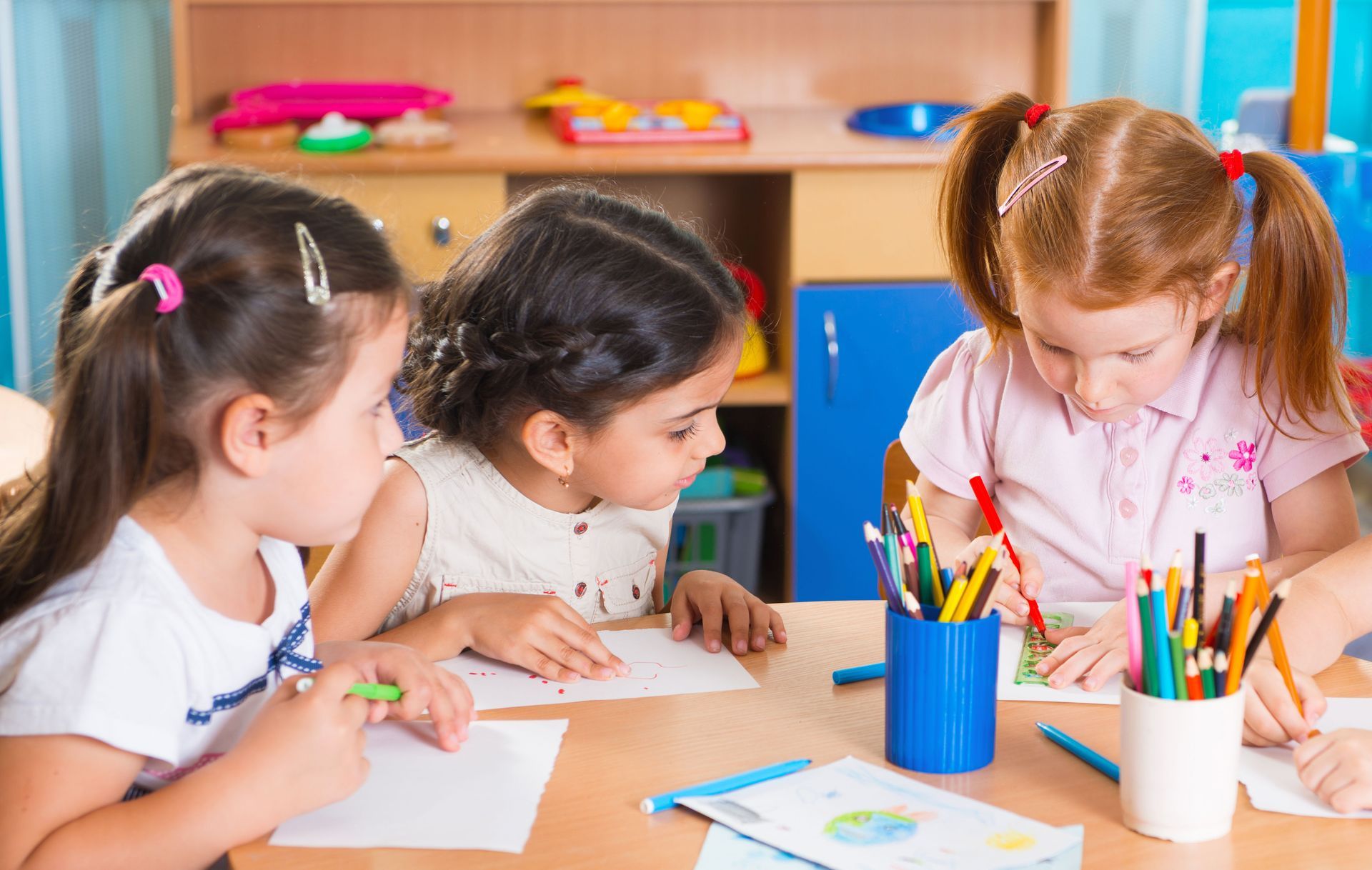
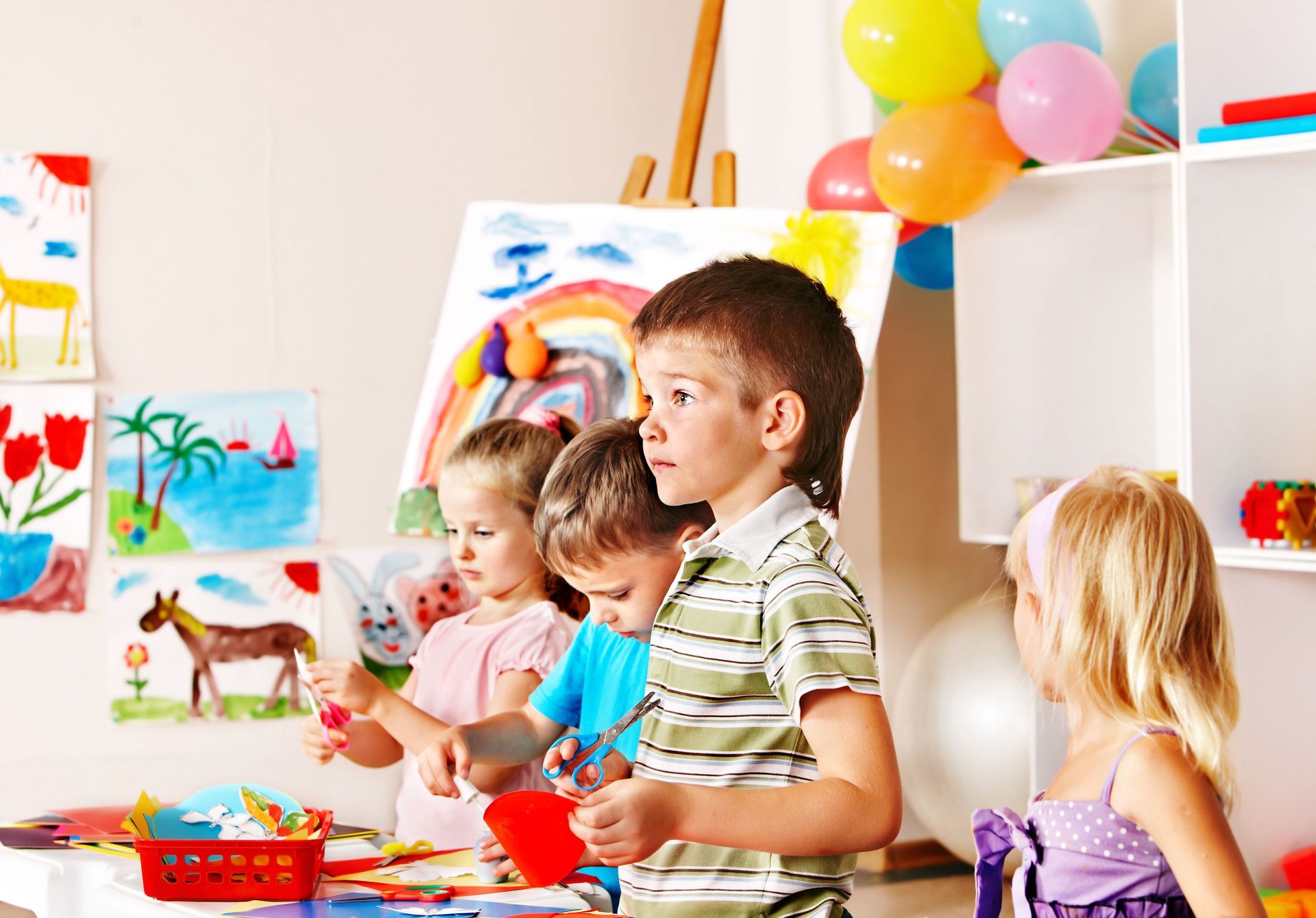
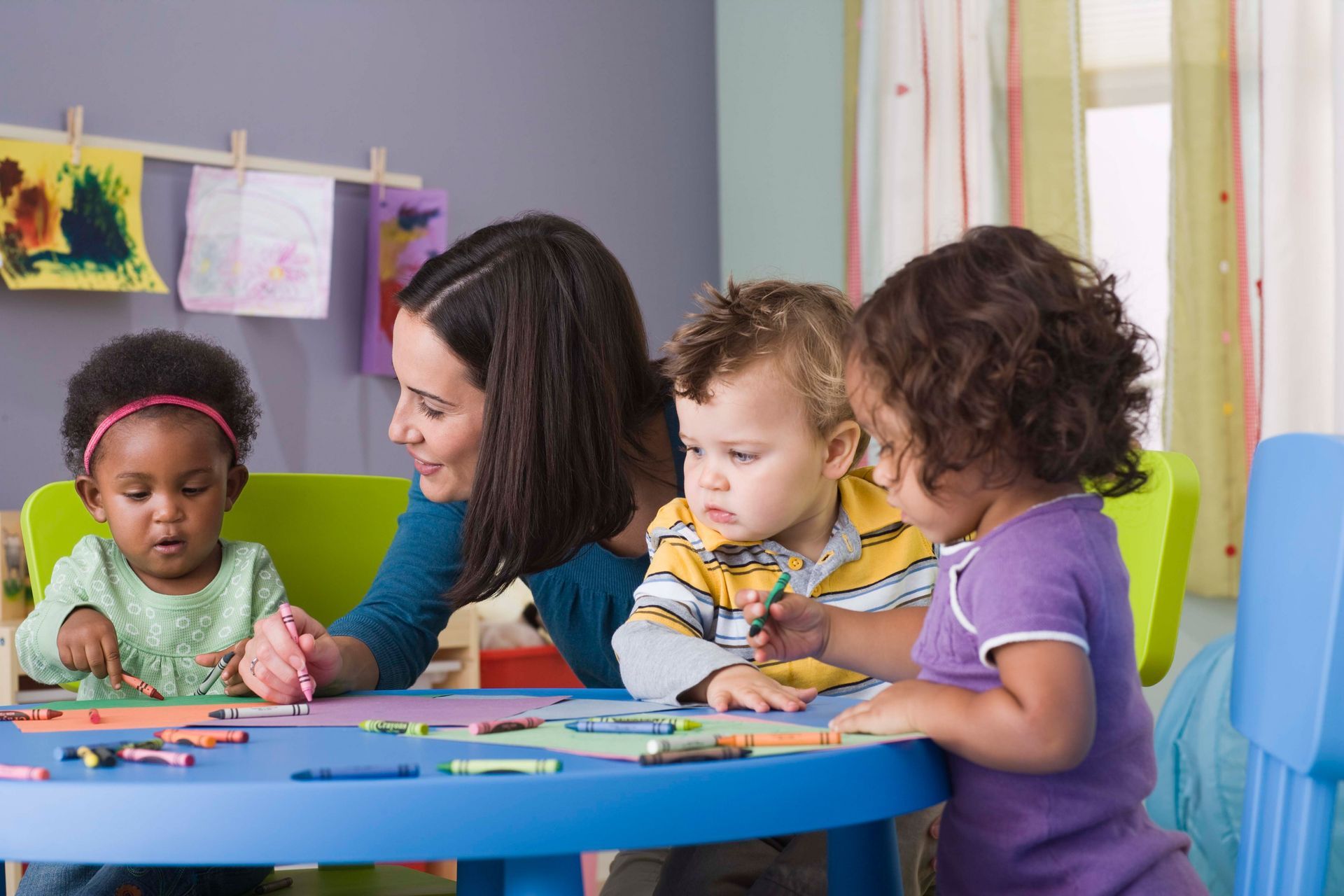
Many hands-on activities involve movement, which makes them useful for developing physical skills. Drawing, painting, cutting with child-safe scissors, threading beads, manipulating play dough, and building with small blocks can help children practice hand and finger movements.
Larger activities can support gross motor development as well. Outdoor exploration, movement games, climbing, carrying objects, and building with larger materials can encourage children to coordinate their bodies while developing strength and balance.
These skills are important because physical development supports children's growing independence. As children become more comfortable controlling their movements, they can participate more confidently in everyday tasks and classroom activities.
Makes Learning More Engaging
Young children may have difficulty staying engaged when learning requires them to sit still for extended periods. Hands-on activities give them opportunities to move, interact, and make decisions.
Engagement can also make children more willing to keep working through a challenging activity. A child who is excited about constructing a bridge from blocks may naturally spend more time testing different designs. Another child may become deeply involved in creating a painting or investigating insects outside.
When learning feels interesting and purposeful, children can develop positive associations with education. They begin to see the classroom as a place where they can explore ideas and discover new things.
Builds Confidence and Independence
Hands-on learning gives children opportunities to complete tasks on their own while receiving support when needed. Successfully completing a puzzle, building a structure, planting a seed, or creating a piece of artwork can provide a sense of accomplishment.
Teachers can support independence by allowing children to make appropriate choices. Rather than telling a child exactly how to complete a project, an educator might provide several materials and let the child decide how to use them.
This approach can help children develop confidence in their own abilities. They learn that their ideas matter and that they can take an active role in solving problems.
Connects Learning to Everyday Life
One of the strengths of hands-on education is its connection to real-world experiences. Children can practice mathematical concepts while counting objects, explore science while observing plants, develop language through dramatic play, and practice social skills while working with classmates.
These connections can make learning easier to understand because children can recognize how skills are used outside the classroom. A pretend grocery store, for instance, can involve counting, sorting, communication, decision-making, and imaginative play all at once.
The preschool environment can therefore become a place where different areas of development overlap naturally. Children do not always need separate activities for every skill because one engaging experience can support several areas at the same time.
Hands-on learning works well because it meets young children where they are developmentally. Children are naturally inclined to explore their surroundings, manipulate objects, ask questions, and learn through experience. Activities that allow them to participate actively can support cognitive, physical, social, emotional, and language development while making learning enjoyable.
A strong preschool experience does more than introduce children to basic concepts. It gives them opportunities to experiment, solve problems, communicate, make choices, and develop confidence in their abilities. These experiences can help establish a positive foundation for future learning while respecting the fact that every child develops at a different pace.
If you are looking for a learning environment that encourages curiosity, independence, and meaningful exploration, consider a preschool program that incorporates hands-on activities into its everyday curriculum. Reach out to Developing Minds Academy Preschool today to learn more about our programs and discover how your child can benefit from an engaging, experience-based approach to early learning.