November 12, 2026
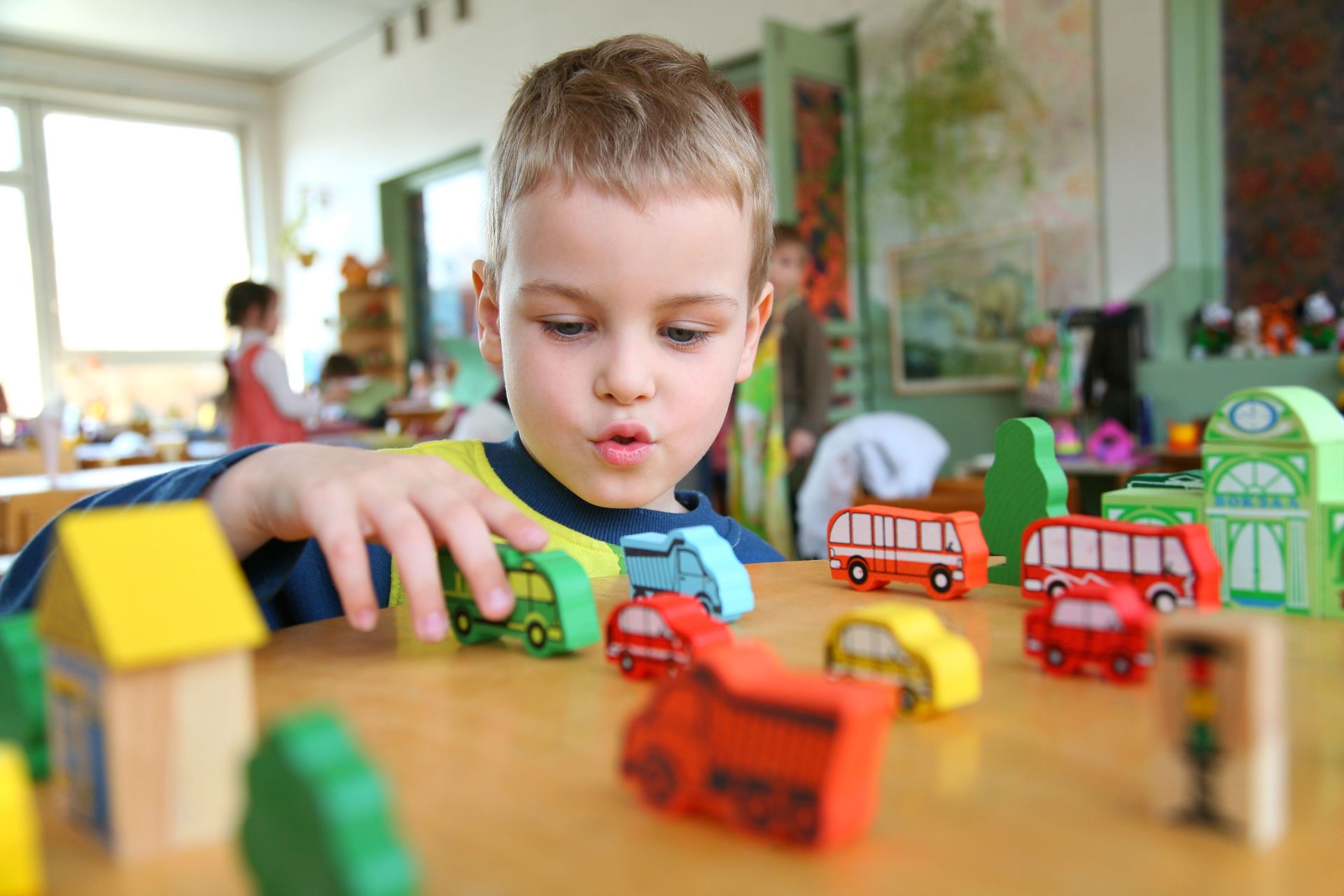
Young children face decisions every day, from choosing which blocks will support a tall tower to figuring out how to share materials with classmates. Although these moments may appear simple, they introduce essential problem-solving skills that children continue developing throughout school and beyond. Learning to recognize a challenge, explore possible responses, and try again after a setback builds confidence and encourages independent thinking.
A thoughtfully structured preschool program creates opportunities to practice these skills through play, guided activities, and everyday interactions. Rather than expecting children to find the correct answer immediately, educators can help them ask questions, experiment with ideas, and reflect on what happened. With consistent encouragement, children discover that mistakes are part of learning and that difficult situations often have more than one possible solution.
Encouraging Curiosity Through Exploration
Curiosity gives children a reason to investigate their surroundings. They may wonder why a toy rolls faster on one surface than another or how to make a paper bridge hold more weight. These questions encourage observation, prediction, and experimentation, all of which contribute to problem-solving development.
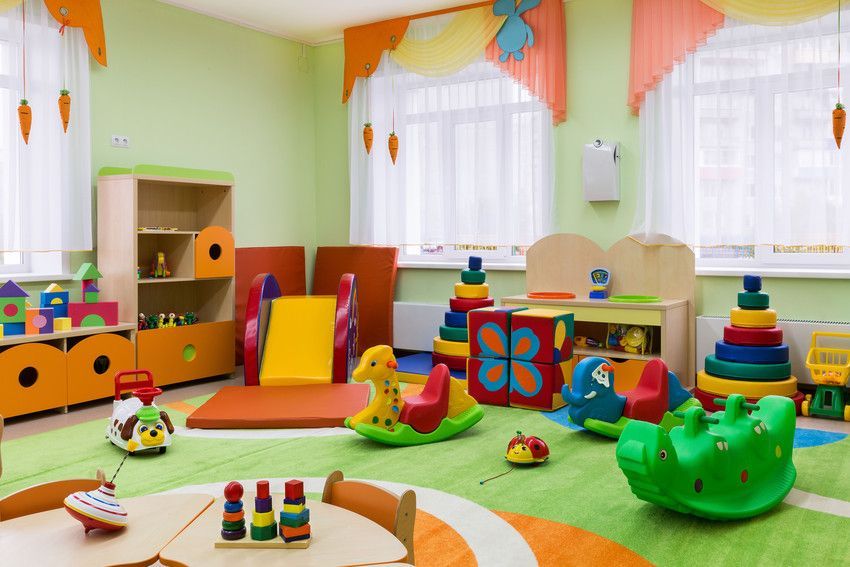
Within a preschool program, teachers can create inviting spaces filled with puzzles, building materials, sensory activities, and age-appropriate science experiences. Instead of supplying answers, educators might ask, "What do you think will happen?" or "What could we try next?" Such questions encourage children to explain their ideas and test them.
Exploration also teaches children that uncertainty is manageable. A child who discovers that a bridge collapses under too much weight can modify the design and try again. Repeated opportunities to explore help children become more comfortable investigating unfamiliar challenges without depending on an adult for every decision.
Strengthening Reasoning Through Play
Play offers an accessible way for young learners to understand cause and effect. When children arrange magnetic tiles, complete a matching game, or create imaginary scenarios, they make decisions and evaluate what happens next. These activities require attention, memory, flexibility, and a willingness to reconsider an initial approach.
A preschool program can incorporate structured games alongside child-directed play. For example, a teacher might introduce a sorting activity that begins with color and later adds size or shape. Children must recognize the new rule, adjust their strategy, and explain their choices.
Pretend play provides another opportunity to strengthen reasoning. Children running an imaginary grocery store must decide how to organize products, handle missing items, and respond to customers. Although the situation is playful, the thinking involved reflects everyday challenges. This combination of enjoyment and purposeful practice supports learning without making every activity feel like a formal lesson.
Building Communication Through Collaboration
Many problems become easier to manage when children can describe their needs and listen to others. Group activities create natural opportunities to practice these abilities. Children might need to decide who will use a particular material, determine how to divide responsibilities, or negotiate different ideas for a shared project.
In a preschool program, teachers can model language that supports respectful discussion. Phrases such as "I have an idea," "Can we take turns?" and "What else could work?" give children practical ways to participate. Educators can also help children identify feelings before attempting to resolve disagreements.
When classmates build a structure together, one child's suggestion may inspire another to try something different. Listening to alternative approaches helps children understand that several solutions may be reasonable. Collaboration also demonstrates that asking for help can be a productive strategy rather than a sign of failure.
Developing Persistence Through Challenges
Children do not always succeed on their first attempt, and learning to manage frustration is an important part of problem-solving. A difficult puzzle, an unstable block tower, or an unfamiliar classroom task can test a child's patience. Appropriate support helps children continue working without becoming overwhelmed.
Teachers in a preschool program can break a complex activity into manageable steps while allowing children to complete meaningful portions independently. They may offer a hint, encourage a short break, or remind a child of a strategy that worked previously. The goal is to guide without removing the opportunity to think.
Recognizing effort can be more useful than praising only successful outcomes. When educators acknowledge careful observation, persistence, and creative adjustments, children begin to value the process of learning. Over time, they may become more willing to attempt challenging activities and recover from ordinary setbacks.
Practicing Decisions Through Daily Routines
Problem-solving does not require specialized materials or elaborate lessons. Everyday routines present opportunities for children to make choices, anticipate consequences, and develop responsibility. Deciding which supplies are needed for an activity or figuring out how to organize a workspace can involve meaningful planning.
A preschool program can encourage children to participate in transitions, cleanup, snack preparation, and other predictable classroom responsibilities. A teacher might ask, "How can we make room for everyone at the table?" or "Where should these materials go so we can find them tomorrow?" These small questions invite practical solutions.
Predictable routines provide a supportive setting for independent decision-making because children understand the expectations. As their abilities grow, educators can gradually offer more responsibility. Making manageable choices throughout the day helps children connect classroom learning with situations they will encounter at home and in future school settings.
Expanding Thinking Through Creative Activities
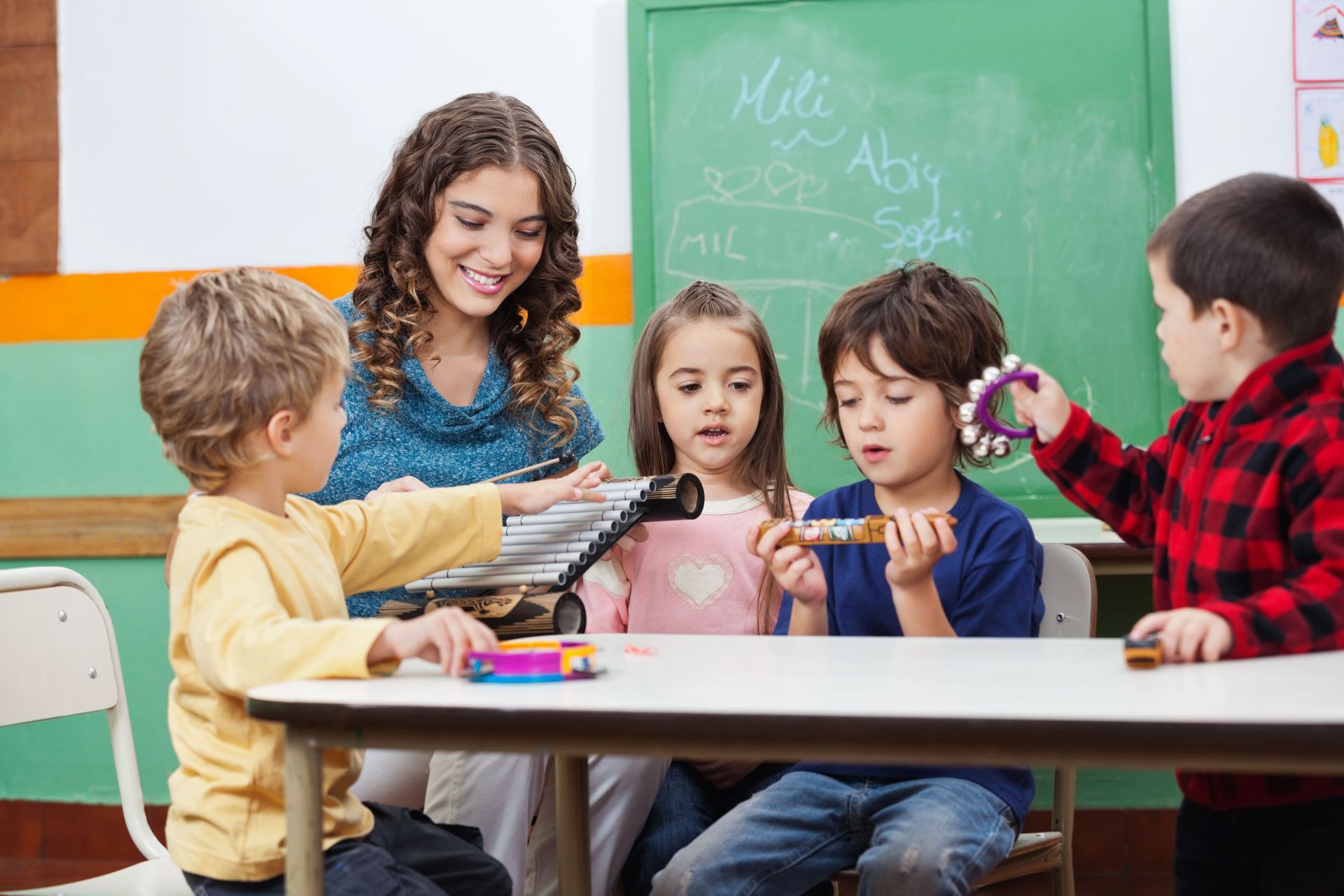
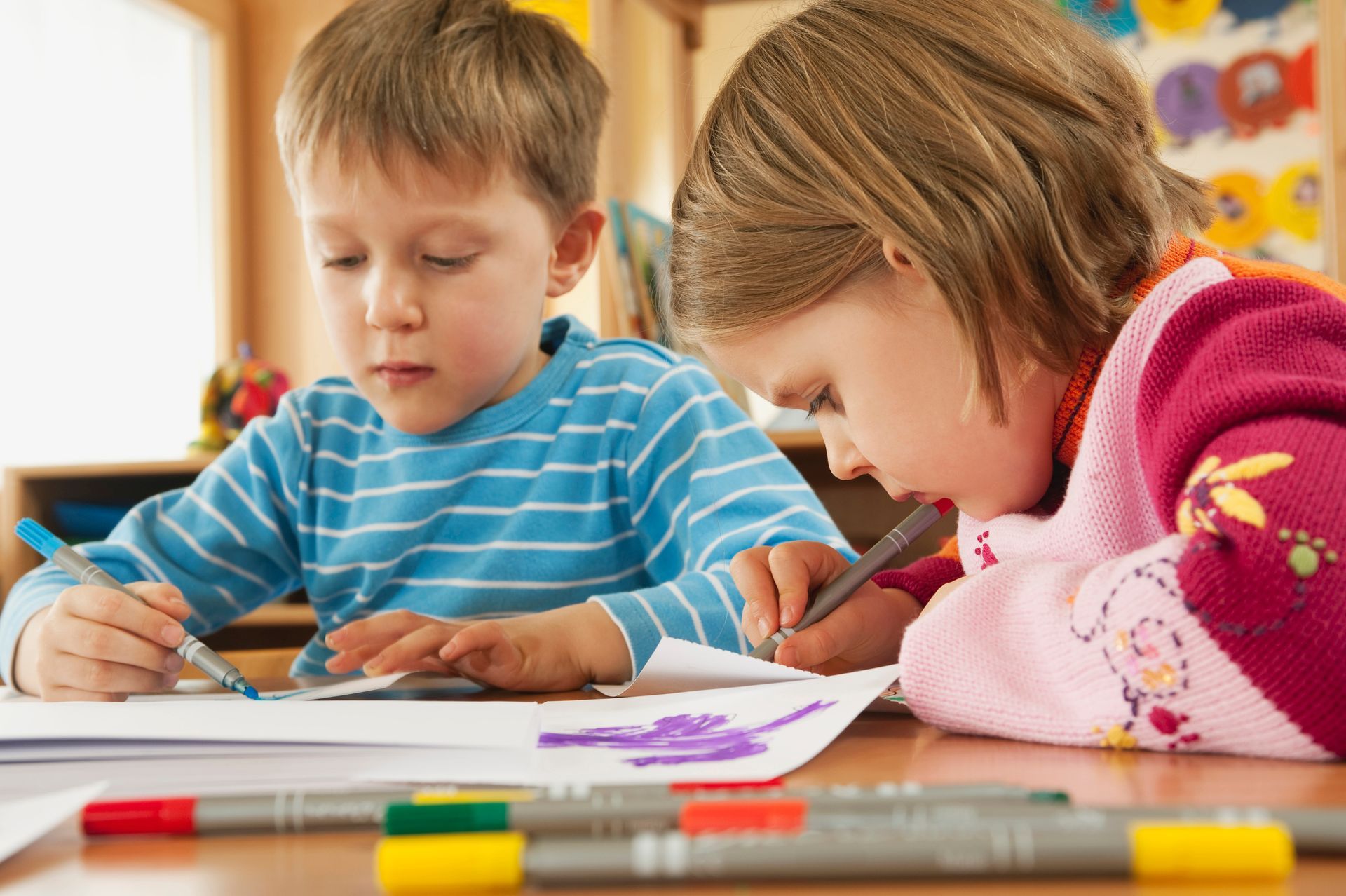
Art, music, storytelling, and construction projects encourage children to consider possibilities beyond a single predetermined answer. A child designing a cardboard vehicle must choose materials, decide how pieces will connect, and adjust the design when something does not work. The finished project matters, but the decisions made along the way are equally valuable.
Within a preschool program, open-ended creative experiences allow children to experiment without constantly comparing their work with a model. Teachers can ask children to describe their plans, explain changes, and consider other methods. Providing varied materials also supports flexible thinking as children discover different ways to achieve similar goals.
Storytelling can build these skills as well. When a character encounters an obstacle, educators can invite children to suggest solutions and consider possible outcomes. Discussing different endings helps young learners practice anticipating consequences while recognizing that creative thinking and logical reasoning can work together.
Supporting Growth Through Family Partnerships
Problem-solving develops through repeated experiences across different environments. When educators and families share observations, they can reinforce strategies that help children approach challenges calmly and confidently. Conversations about classroom activities also give caregivers ideas for supporting development during ordinary home routines.
A preschool program may encourage families to ask open-ended questions, offer age-appropriate choices, and allow children time to attempt manageable tasks. At home, setting the table, organizing toys, or planning a simple activity can provide opportunities to practice. Adults can guide the process without immediately taking over.
The broader value of early education extends beyond individual classroom experiences. According to the U.S. Department of Education, high-quality preschool programs can generate a long-term societal return of up to $17 for every dollar invested. Although outcomes vary, this finding highlights the potential importance of investing in early learning opportunities that support foundational skills.
As children develop curiosity, persistence, communication, and flexible thinking, they gain tools for approaching new challenges. Consistent practice across play, routines, and relationships can help them enter later learning environments prepared to participate, adapt, and keep trying.
Call Developing Minds Academy Preschool today to learn more about their preschool programs or schedule a tour.