October 15, 2026
Preschool gives young children an important opportunity to learn how to communicate, cooperate, and build relationships outside the home. Through structured activities, free play, and imaginative experiences, children practice the social skills they need to interact successfully with others. A local preschool can provide a supportive setting where children learn to share ideas, solve problems, manage emotions, and appreciate different perspectives. These early experiences can help establish a strong foundation for future learning and relationships.
Building Teamwork Through Group Activities
Encouraging Cooperation Through Shared Tasks
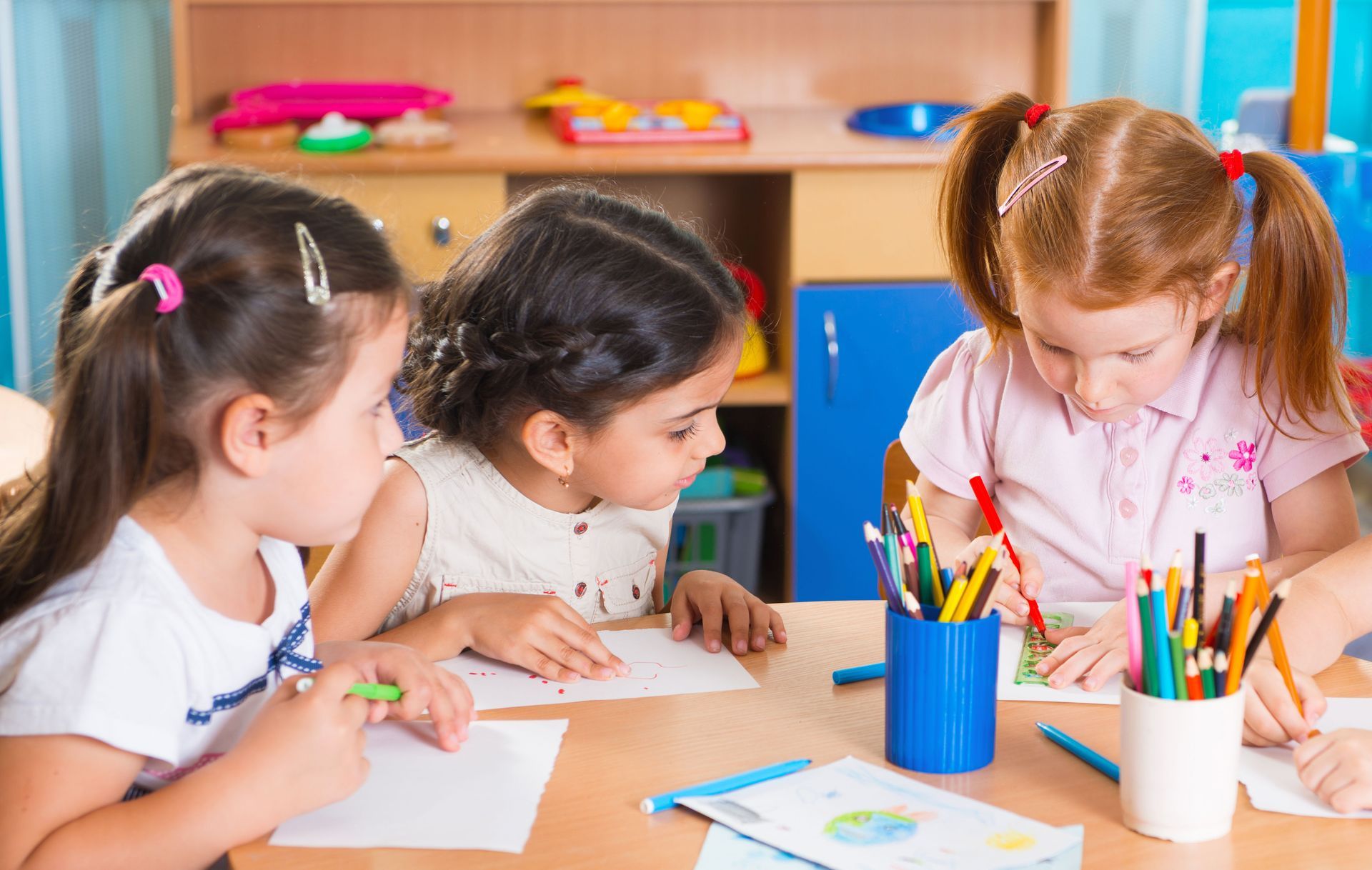
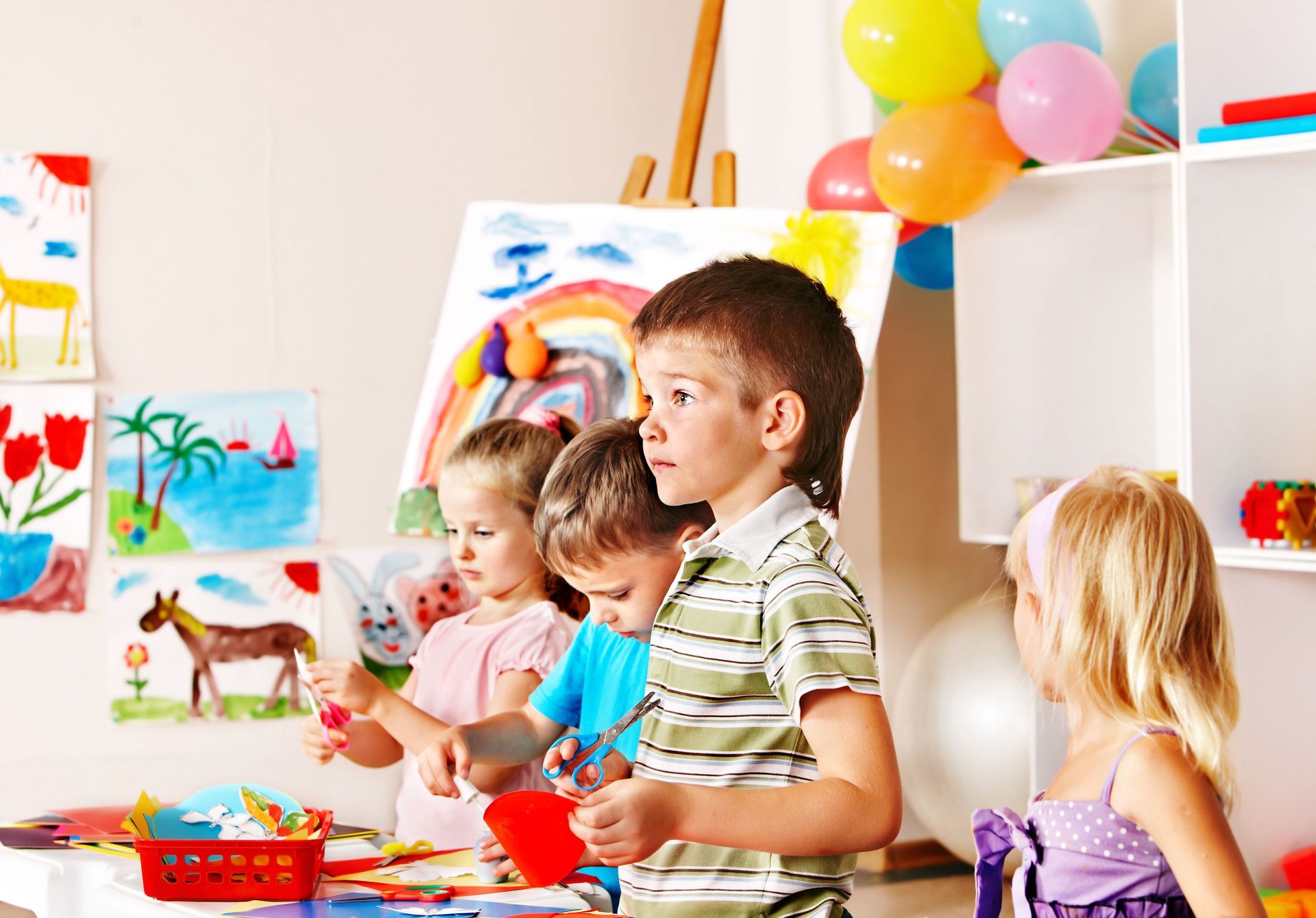
Group activities teach children how to work toward a common goal while recognizing the contributions of their classmates. Whether they are completing a classroom project, creating artwork together, or participating in a group game, children learn that cooperation can make activities more rewarding. A local preschool can structure these experiences so each child has an opportunity to participate and contribute.
Working together also helps children understand shared responsibility. They begin learning that their actions affect others and that listening, taking turns, and helping classmates are important parts of teamwork. Completing a task as a group can also build confidence and encourage children to participate in future activities.
Strengthening Communication and Problem-Solving
Communication is essential when children work together. Preschool activities encourage children to express their ideas, listen to classmates, and respond appropriately. Teachers can model respectful communication while helping children understand how tone, facial expressions, and body language influence interactions. Storytelling, show-and-tell, and group discussions give children additional opportunities to practice expressing themselves.
Group activities also introduce children to problem-solving. When disagreements or obstacles occur, children can learn to consider different ideas and work toward solutions. Teachers guide these interactions by encouraging patience, compromise, and respectful discussion. These experiences help children understand that problems do not always have one immediate answer and that cooperation can make challenges easier to manage.
Recognizing the Value of Team Efforts
Positive reinforcement helps children associate cooperation with positive experiences. Teachers can recognize group accomplishments and point out examples of helpful behavior, patience, and teamwork. This encourages children to see that their individual contributions matter while also understanding the value of collective success.
Early social experiences are especially meaningful during the first years of development. According to UNICEF, 80% of a human brain's structure takes shape up to age three. Providing children with positive opportunities to interact, communicate, and learn with others during early childhood can therefore support important developmental experiences.
Developing Social Skills Through Free Play
Encouraging Independence Through Unstructured Play
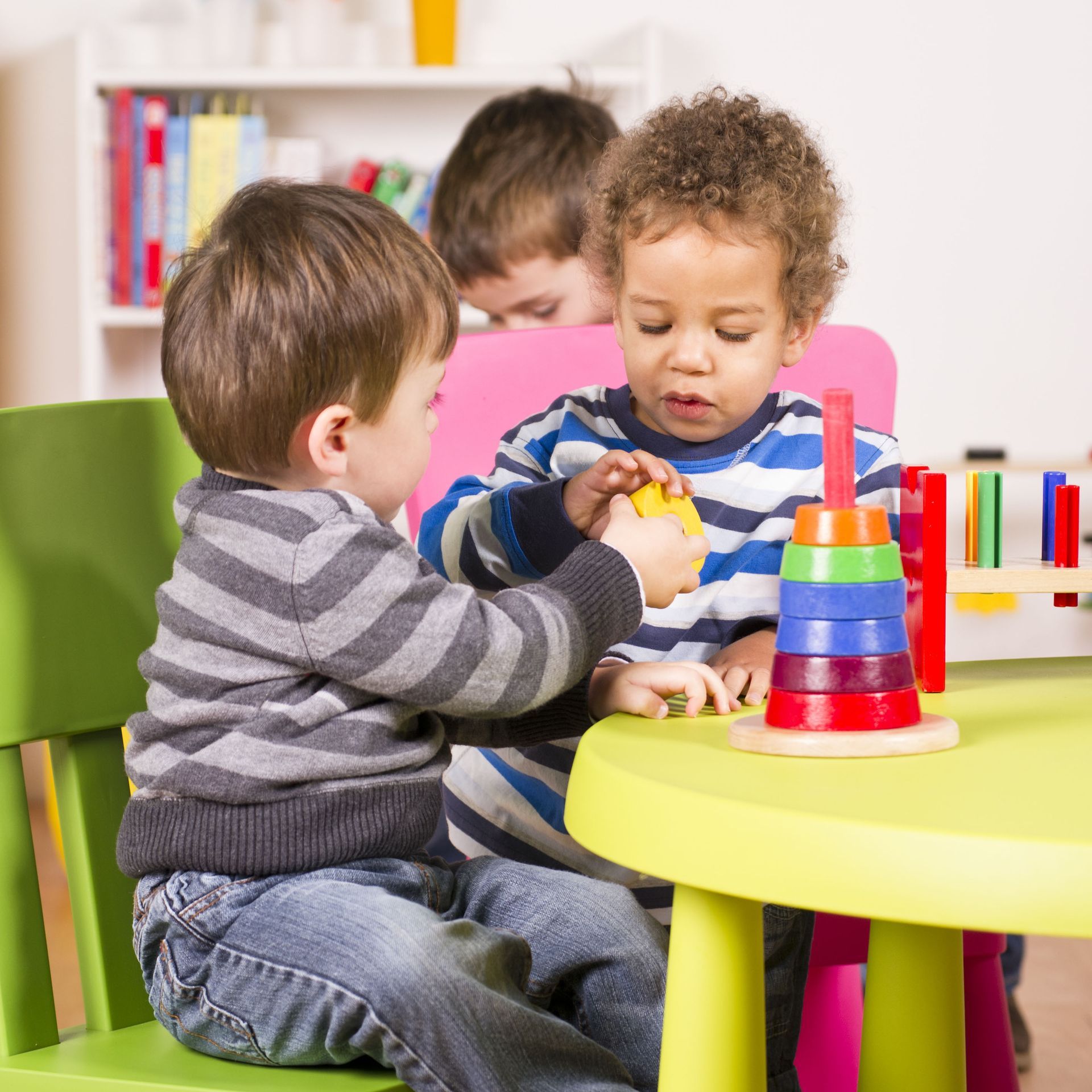
Free play gives children the freedom to choose activities, create scenarios, and interact with classmates naturally. In a local preschool environment, children may decide which toys to use, who to play with, and what roles to take. This independence encourages creativity while giving children practical opportunities to practice social skills.
Children learn to initiate play, share materials, take turns, and negotiate with peers. They may experience frustration when another child wants the same toy or has a different idea. With appropriate guidance, these moments become opportunities to practice patience, communication, and compromise.
Building Friendships Through Peer Interaction
Free play allows children to form peer groups based on shared interests. As they interact, they observe how classmates communicate, solve disagreements, and participate in activities. These experiences help children understand different personalities and social preferences while developing a sense of belonging.
Teachers can observe these interactions and encourage children to include others. A local preschool can create flexible play areas that support both individual exploration and small-group interaction. This balance allows children to develop confidence while gradually becoming more comfortable participating with peers.
Learning to Share and Resolve Conflicts
Sharing is an important social lesson during early childhood. Children may need to share toys, classroom materials, space, or a teacher's attention. Repeated practice helps them understand that other people's needs and preferences matter too. Taking turns and reaching compromises can gradually become more natural.
Conflicts are also a normal part of childhood interaction. Teachers can help children identify their feelings, listen to another person's perspective, and find a fair solution. These experiences show children that disagreements can be handled calmly and respectfully rather than through anger or withdrawal.
Strengthening Perspective Through Pretend Play
Exploring Different Roles and Viewpoints
Pretend play gives children opportunities to imagine experiences from perspectives different from their own. They may pretend to be teachers, doctors, parents, community workers, or other characters. Taking on different roles encourages children to think about how other people might feel, behave, or respond in various situations.
A local preschool can support this type of learning by providing props, costumes, books, and open-ended materials that encourage imaginative scenarios. Children can explore familiar situations while also developing a greater awareness of people and roles within their communities.
Developing Empathy and Emotional Awareness
Role-playing can help children recognize and express emotions. When children pretend that a character is happy, worried, frustrated, or excited, they practice identifying emotional experiences and responding to them. These activities can expand their emotional vocabulary and make it easier to recognize feelings in themselves and others.
Teachers can reinforce these lessons through stories and conversations about characters' emotions. Over time, children can become more comfortable discussing feelings and responding with compassion. These skills support stronger relationships and can help children manage social situations more effectively.
Practicing Leadership and Responsibility
Pretend play also creates natural opportunities for leadership. A child may organize a game, assign roles, explain rules, or help classmates participate. Other children may take leadership roles in different situations, allowing everyone to practice guiding and cooperating with peers.
These experiences can build confidence without making leadership feel like a formal responsibility. Children learn that effective leadership involves listening, communicating, sharing responsibility, and considering the needs of others. A local preschool can encourage these skills by giving children time and space to direct portions of their own play.
Creating a Supportive Social Learning Environment
Modeling Respectful Behavior
Teachers have an important role in showing children how positive social interactions work. By modeling patience, kindness, active listening, and respectful disagreement, educators give children examples they can imitate. Consistent guidance also helps children understand classroom expectations and develop confidence when interacting with others.
Teachers can reinforce these lessons during both structured activities and free play. When children see cooperation practiced throughout the day, social skills become part of their regular routines rather than isolated lessons.
Encouraging Inclusive Participation
Every child develops social skills at a different pace. A supportive classroom gives children opportunities to participate without expecting every child to interact in exactly the same way. Teachers can encourage quieter children to join activities while helping more outgoing children practice listening and giving others space.
Inclusive experiences teach children to appreciate differences and recognize that everyone can contribute. These lessons can help children become more accepting classmates while building their own communication and confidence.
Supporting Lifelong Social Development
Connecting Early Experiences to Future Learning
The teamwork, communication, empathy, and problem-solving skills developed in preschool extend beyond the classroom. Children who practice cooperating with peers gain experience that can support future group projects, classroom discussions, friendships, and community interactions. A local preschool provides a valuable setting for developing these abilities through everyday experiences.
Preschool is not simply a place where children prepare for academic learning. It is also an environment where they learn how to participate in a community. Through group activities, free play, and pretend play, children discover how their choices affect others and how cooperation can help everyone succeed.
Choosing an Environment That Encourages Growth
Parents looking for a local preschool can consider how the classroom supports social development alongside early learning. Opportunities for group activities, creative play, communication, problem-solving, and guided peer interaction can all contribute to a well-rounded preschool experience.
Developing Minds Academy Preschool provides an environment where children can learn, play, communicate, and build meaningful social skills. By giving young learners opportunities to work with peers and explore through play, the preschool experience can help children develop confidence and positive relationships that support them as they continue to grow.